The Formosan Mountain Dog, also known as the Taiwan Dog, is a fascinating ancient breed that has captured the hearts of dog lovers worldwide. This loyal and intelligent companion has a rich history deeply intertwined with the island of Taiwan. In this article, we will explore the origins and history of the Formosan Mountain Dog, delve into their physical characteristics, and discuss their adaptability, hunting abilities, and various roles as guard dogs, rescue dogs, and beloved companions. We will also examine their temperament, health, and the conservation efforts in place to protect this unique breed.
Origins and History of the Formosan Mountain Dog
The Formosan Mountain Dog is a breed that has origins in Taiwan, an island nation located off the coast of China. These dogs have been present on the island for thousands of years, with evidence suggesting they arrived with the indigenous peoples who first settled in Taiwan. Over time, the Formosan Mountain Dog developed into a distinct breed adapted to the island’s rugged terrain and challenging environment.
Physical Characteristics of the Formosan Mountain Dog
Formosan Mountain Dogs are medium-sized dogs with a sturdy build and triangular face. They have a short, dense coat that comes in various colors, including black, white, brown, and brindle. One of their most distinguishing features is their almond-shaped eyes, which give them an alert and intelligent expression. They also have erect, triangular ears and a sickle tail that curls over their backs.
Recent DNA studies have revealed that the Formosan mountain dog has a unique, basal lineage, which is rooted at the base of the phylogenetic tree for Southeast Asian dogs.
https://padsociety.org/breed-profiles/formosan-mountain-dog/
Adaptability to Taiwan’s Terrain
The Formosan Mountain Dog’s physical characteristics have been shaped by the rugged terrain of Taiwan. Their strong, muscular bodies and short, dense coats allow them to navigate the island’s mountainous regions with ease. These dogs have a remarkable ability to adapt to various environments, from the cool highlands to the humid lowlands.
Semi-Wild Nature and Socialization Requirements
Due to their semi-wild nature, Taiwan Mountain Dogs require proper socialization from an early age. They have a strong prey drive and can be wary of strangers, making early socialization crucial for their development into well-adjusted companions. Owners should expose their Formosan Mountain Dogs to various people, animals, and situations to help them become confident and friendly.
Hunting Abilities and Keen Senses
Formosan Mountain Dogs have a long history of being used as hunting dogs in Taiwan. They have keen senses, particularly their sense of smell, which makes them excellent at tracking games. These dogs have been used to hunt wild boar, deer, and other animals native to the island. Their strong prey drive and stamina make them well-suited for this role.
Protective Instincts and Guard Dog Capabilities
In addition to their hunting abilities, Formosan Mountain Dogs also make excellent guard dogs. They have a strong protective instinct and are naturally wary of strangers. These dogs form strong bonds with their families and are known for their loyalty and devotion. They are alert and responsive, making them effective at deterring intruders and keeping their families safe.
Trainability and Potential as Stunt Dogs
Formosan Mountain Dogs are intelligent and trainable, making them well-suited for various roles beyond hunting and guarding. Some of these dogs have been trained as stunt dogs for movies and television shows. Their agility, athleticism, and willingness to please make them excellent candidates for this type of work.
Courage and Suitability as Rescue Dogs
The courage and resilience of Formosan Mountain Dogs also make them suitable as rescue dogs. They have been used in search and rescue operations following natural disasters, such as earthquakes and typhoons. These dogs have a keen sense of smell and the physical stamina to navigate challenging terrain, making them valuable assets in rescue efforts.
Loyalty and Companionship
Above all, Formosan Mountain Dogs are known for their loyalty and devoted companionship. They form strong bonds with their families and thrive on human interaction. These dogs are affectionate and protective, making them wonderful companions for active families or individuals. They require regular exercise and mental stimulation to stay happy and healthy.
Medium and Small Types of Formosan Mountain Dogs

Photo By Abishek Balasubramanian/flickr
There are two main size variations of the Formosan Mountain Dog:
- Medium Type: Standing 17-21 inches tall at the shoulder and weighing 35-45 pounds.
- Small Type: Standing 14-16 inches tall at the shoulder and weighing 20-30 pounds.
Both types share similar physical characteristics and temperaments, with the main difference being their size.
Cranial Region: Skull, Forehead, and Stop
The Formosan Mountain Dog’s head is proportionate to their body size. They have a broad, rounded forehead and a well-defined stop, which is the transition point between the forehead and the muzzle. The skull is slightly longer than the muzzle, giving the dog a balanced, intelligent appearance.
Facial Region: Muzzle, Nose, and Eyes
The Formosan Mountain Dog’s muzzle is of medium length, tapering slightly from the base to the nose. The nose is black or dark brown, depending on the dog’s coat color. The eyes are almond-shaped and dark brown, giving the dog an alert and expressive look.
Ears: Shape, Set, and Carriage
Formosan Mountain Dogs have erect, triangular ears that are set high on the head. The ears are small to medium in size and slightly rounded at the tips. They are very mobile, allowing the dog to express a range of emotions and respond to sounds in their environment.
Neck and Body Structure
The neck of the Formosan Mountain Dog is of medium length, strong, and muscular. It flows smoothly into well-laid-back shoulders. The body is compact and slightly longer than tall, with a deep chest and well-sprung ribs. The top line is level, and the loin is short and muscular.
Muscularity and Proportions
Formosan Mountain Dogs are well-muscled and athletic, with proportionate builds. They have strong, sturdy legs and compact, round feet with thick pads. Their movement is smooth and efficient, with good reach and drive.
Coat, Color, and Grooming
The coat of the Formosan Mountain Dog is short, dense, and harsh to the touch. It comes in several colors, including:
- Black
- White
- Brown
- Brindle
- Combinations of these colors
Grooming requirements for Formosan Mountain Dogs are minimal, with regular brushing and occasional baths sufficient to keep their coat healthy and clean.
Size Comparison of Formosan Mountain Dog Types
| Type | Height (in) | Weight (lbs) |
|---|---|---|
| Medium Type | 17-21 | 35-45 |
| Small Type | 14-16 | 20-30 |
Temperament and Personality
Formosan Mountain Dogs are known for their loyal, intelligent, and courageous personalities. They are devoted to their families and can be reserved with strangers. These dogs have a strong prey drive and require early socialization and training to develop into well-rounded companions.
Health and Lifespan of Formosan Mountain Dog
Formosan Mountain Dogs are generally a healthy breed, with a lifespan of 10-13 years. However, like all breeds, they can be prone to certain health issues, such as:
- Hip dysplasia
- Elbow dysplasia
- Eye problems
- Skin allergies
Regular veterinary check-ups, proper nutrition, and exercise can help keep Formosan Mountain Dogs healthy and happy.
While this list may frighten prospective owners, none of these afflictions are guaranteed, and a good breeder can alert you to potential health issues in a dog. Additionally, a good diet, regular exercise, and proper attention can minimize the chances of a dog getting sick and increase their lifespan.
https://dogacademy.org/breeds/formosan-mountain-dog-breed
Popularity and Recognition of the Breed
The Formosan Mountain Dog has gained international recognition in recent years, with breed clubs and enthusiasts promoting their unique qualities. In 2004, the Formosan Mountain Dog was officially recognized as the national dog of Taiwan, cementing its status as a treasured part of the island’s cultural heritage.
Conservation Efforts and Future of the Formosan Mountain Dog
As an ancient breed with a unique history, the Formosan Mountain Dog has faced challenges in maintaining its population. Conservation efforts, such as breeding programs and public education, are underway to ensure the preservation of this special breed. With dedicated enthusiasts and responsible breeding practices, the future of the Formosan Mountain Dog looks promising.
The Formosan Mountain Dog is a remarkable breed with a rich history and a loyal, intelligent nature. As more people discover the unique qualities of these Taiwan dogs, their popularity is sure to grow. Whether serving as devoted companions, skilled hunters, or courageous rescue dogs, Formosan Mountain Dogs have proven themselves to be versatile and valuable members of human society. With ongoing conservation efforts and responsible ownership, these ancient dogs will continue to thrive and capture the hearts of dog lovers around the world.
Here are some additional tables and lists to provide more information about the Formosan Mountain Dog:
Common Health Issues in Formosan Mountain Dogs
| Health Issue | Description |
|---|---|
| Hip Dysplasia | Abnormal formation of the hip joint |
| Elbow Dysplasia | Abnormal formation of the elbow joint |
| Eye Problems | Various eye issues, such as cataracts or glaucoma |
| Skin Allergies | Allergic reactions cause itching and skin problems |
Coat Colors of Formosan Mountain Dogs

Photo By California Chan/flickr
- Black (most common)
- White
- Brown
- Brindle
- Combinations of these colors
Roles and Activities Suitable for Formosan Mountain Dogs
- Hunting
- Guarding
- Search and Rescue
- Stunt Work
- Companionship
- Agility and Other Dog Sports
In conclusion, the Formosan Mountain Dog is a unique and fascinating breed with a rich history and a bright future. By understanding their physical characteristics, temperament, and various roles, owners can provide the best possible care for these loyal and intelligent companions. With ongoing conservation efforts and responsible breeding practices, the Formosan Mountain Dog will continue to thrive and capture the hearts of dog lovers around the world.
FAQs and Points of Consideration
Are Formosan Mountain Dogs good with children?
A: Formosan Mountain Dogs can be excellent companions for children when properly socialized and trained from a young age. They are loyal, protective, and affectionate, but their high energy levels and strong prey drive may require supervision around very young children.
How much exercise do Formosan Mountain Dogs need?
A: As an active and athletic breed, Formosan Mountain Dogs require daily exercise to maintain their physical and mental well-being. They enjoy long walks, runs, and playtime in securely fenced areas, and can also excel in canine sports such as agility and tracking.
Are Formosan Mountain Dogs easy to train?
A: Formosan Mountain Dogs are intelligent and eager to please, making them generally easy to train with positive reinforcement methods. However, their independent nature and strong prey drive may require consistent training and patience to ensure they develop into well-behaved companions.
Do Formosan Mountain Dogs shed a lot?
A: Formosan Mountain Dogs have a short, dense coat that sheds moderately throughout the year, with heavier shedding during seasonal changes. Regular brushing can help minimize shedding and keep their coat healthy and shiny.
Are Formosan Mountain Dogs hypoallergenic?
A: No, Formosan Mountain Dogs are not considered a hypoallergenic breed. While they have a short coat, they still shed and produce dander, which can trigger allergies in some people.
How long do Formosan Mountain Dogs live?
A: The average lifespan of a Formosan Mountain Dog is between 10 and 13 years. With proper care, nutrition, and regular veterinary check-ups, these dogs can enjoy a long and healthy life.
Do Formosan Mountain Dogs bark a lot?
A: Formosan Mountain Dogs are alert and protective, which means they may bark to warn their owners of potential threats or unusual activity. However, with proper training and socialization, excessive barking can be minimized.
Are Formosan Mountain Dogs good with other pets?
A: Formosan Mountain Dogs can get along well with other pets, especially if they are raised together from a young age. However, their strong prey drive may cause them to chase smaller animals, so proper introductions and supervision are essential.
How much food should I feed my Formosan Mountain Dog?
A: The amount of food your Formosan Mountain Dog needs depends on factors such as age, size, activity level, and metabolism. Consult with your veterinarian to determine the appropriate serving sizes and nutritional requirements for your individual dog.
Can Formosan Mountain Dogs live in apartments?
A: While Formosan Mountain Dogs can adapt to apartment living, they require daily exercise and mental stimulation to prevent boredom and destructive behavior. Access to a nearby park or secure outdoor area for playtime is essential for their well-being.
Are Formosan Mountain Dogs prone to any health issues?
A: Like many purebred dogs, Formosan Mountain Dogs may be susceptible to certain health problems, such as hip dysplasia, elbow dysplasia, and eye disorders. Regular veterinary check-ups and screenings can help identify and manage potential health concerns.
How often should I groom my Formosan Mountain Dog?
A: Formosan Mountain Dogs have a short, dense coat that requires minimal grooming. Weekly brushing with a slicker brush or rubber grooming mitt can help remove loose hair and distribute natural oils, while occasional baths can keep their coat clean and healthy.
Are Formosan Mountain Dogs recognized by major kennel clubs?
A: The Formosan Mountain Dog is recognized by some kennel clubs, such as the Taiwan Kennel Club and the Japanese Kennel Club. However, they are not yet recognized by major international organizations like the American Kennel Club (AKC) or the United Kennel Club (UKC).
Can Formosan Mountain Dogs be trained as service dogs?
A: Formosan Mountain Dogs have the intelligence, loyalty, and trainability to serve as service dogs for various roles, such as assistance dogs for people with disabilities or emotional support animals. However, their suitability for these roles depends on the individual dog’s temperament and the specific requirements of the service dog organization.
Where can I find a reputable Formosan Mountain Dog breeder?
A: To find a reputable Formosan Mountain Dog breeder, research breeders through breed-specific organizations, such as the Taiwan Dog Club of America, and ask for referrals from veterinarians or other Formosan Mountain Dog owners. A responsible breeder will prioritize the health and temperament of their dogs, provide documentation of health screenings, and be willing to answer your questions about the breed and their breeding practices.
Further Reading
https://en.wikipedia.org/wiki/Taiwan_Dog
]]>Self-driving gharries are autonomous vehicles that revolutionize transportation in Taiwan. These vehicles offer a unique and sustainable way to explore the country’s scenic routes and cultural experiences. This article will cover various aspects of self-driving gharries in Taiwan, including their navigation technology, safety measures, travel experiences, and environmental benefits. Understanding these aspects is crucial for travelers who wish to make the most of their gharry adventures in Taiwan.
Overview of Taiwan’s Tourist Destinations
Taiwan boasts a wide array of tourist destinations. These destinations include vibrant cities, picturesque landscapes, and historical sites. Self-driving gharries provide a convenient and flexible way to explore these attractions. Some notable tourist destinations in Taiwan are:
- Taipei, the capital city known for its bustling night markets and iconic landmarks like Taipei 101
- Taroko National Park, a scenic gorge with hiking trails and stunning natural beauty
- Sun Moon Lake, a serene lake surrounded by mountains and temples
- Tainan, a city rich in history and traditional culture
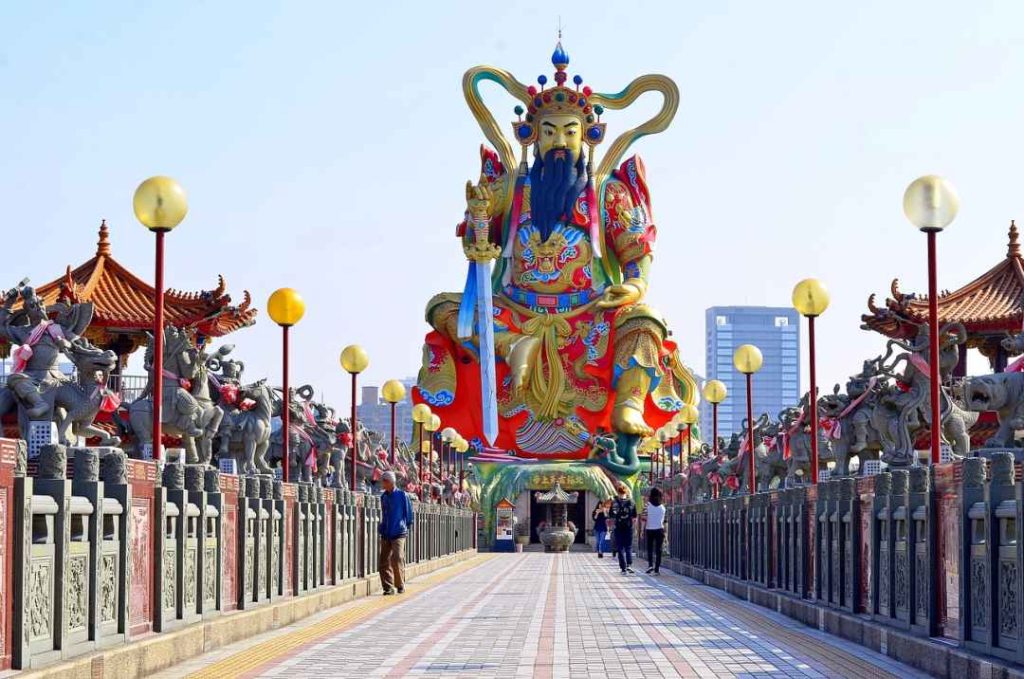
Cultural Experiences Accessible via Self-Driving Gharries
Self-driving gharries enable travelers to immerse themselves in Taiwan’s diverse cultural experiences. These experiences range from participating in traditional festivals to exploring local markets and trying authentic cuisine. Gharry adventures allow travelers to discover hidden gems and engage with local communities. Some cultural experiences accessible via self-driving gharries include:
| Cultural Experience | Description |
|---|---|
| Night Markets | Explore the vibrant night markets, sample street food, and shop for souvenirs |
| Temples and Shrines | Visit historic temples and shrines to learn about Taiwan’s religious and spiritual traditions |
| Tea Plantations | Tour tea plantations, learn about tea production, and enjoy tea tasting sessions |
| Aboriginal Villages | Interact with indigenous communities, learn about their customs, and enjoy traditional performances |
Scenic Routes Ideal for Self-Driving Gharry Adventures
Taiwan’s scenic routes are perfect for self-driving gharry adventures. These routes showcase the country’s natural beauty, from coastal highways to mountain passes. Self-driving gharries allow travelers to enjoy the scenery at their own pace and make impromptu stops. Some scenic routes ideal for gharry adventures are:
- East Coast National Scenic Area: A stunning coastal drive with breathtaking ocean views and rugged cliffs
- Central Cross-Island Highway: A mountain route that winds through the heart of Taiwan, offering panoramic views of peaks and valleys
- Alishan National Scenic Area: A picturesque mountain region known for its sunrises, forests, and tea plantations
Gharriess can be rented by the hour or day. Special cultural and food tours are also available. Rates are reasonable, especially for groups.
https://levishcars.com/taipei-self-driving-gharry-the-ultimate-guide-to-taipei-adventures/
Autonomous Navigation and Passenger Safety Measures
Self-driving gharries utilize advanced autonomous navigation technology to ensure passenger safety. These vehicles are equipped with sensors, cameras, and software that enable them to navigate roads, avoid obstacles, and follow traffic rules. Passenger safety is a top priority in the design and operation of self-driving gharries. Some safety measures include:
- Redundant systems that ensure the vehicle can operate safely even if one component fails
- Emergency braking and collision avoidance systems
- Constant monitoring of the vehicle’s surroundings and road conditions
- Secure communication channels to prevent unauthorized access or hacking
Advanced Sensors in Autonomous Vehicles
| Sensor Type | Description |
|---|---|
| Lidar | Uses laser beams to create a 3D map of the vehicle’s surroundings |
| Radar | Detects objects and their velocity using radio waves |
| Cameras | Capture visual data for object recognition and lane detection |
| Ultrasonic Sensors | Measure distances to nearby objects for parking and low-speed maneuvers |
Machine Learning Algorithms Powering Self-Driving Gharries
Machine learning algorithms play a crucial role in the functionality of self-driving gharries. These algorithms process the vast amounts of data collected by the vehicle’s sensors and make real-time decisions. Machine learning enables self-driving gharries to:
- Recognize and classify objects, such as pedestrians, traffic signs, and other vehicles
- Predict the behavior of other road users and adjust the vehicle’s trajectory accordingly
- Continuously improve their performance through exposure to diverse driving scenarios
- Adapt to changing weather and road conditions
Regulatory Frameworks Governing Autonomous Vehicles
The development and deployment of autonomous vehicles, including self-driving gharries, are governed by regulatory frameworks. These frameworks aim to ensure the safety and reliability of autonomous vehicles while promoting innovation. Regulatory bodies work closely with technology companies, automakers, and research institutions to establish guidelines and standards. Some key aspects of regulatory frameworks for autonomous vehicles include:
- Safety and performance requirements for autonomous driving systems
- Liability and insurance policies for accidents involving autonomous vehicles
- Data privacy and cybersecurity regulations
- Infrastructure and communication protocols for vehicle-to-vehicle and vehicle-to-infrastructure connectivity
Unique Travel Experiences with Gharry Adventures in Taiwan
Self-driving gharry adventures in Taiwan offer unique travel experiences that combine convenience, flexibility, and cultural immersion. Travelers can enjoy the freedom to explore at their own pace, discover hidden gems, and create personalized itineraries. Gharry adventures provide a seamless and stress-free way to navigate Taiwan’s diverse landscapes and attractions. Some unique aspects of gharry adventures in Taiwan include:
- Accessing remote locations and off-the-beaten-path destinations
- Enjoying scenic views and local insights during the journey
- Saving time and energy by avoiding public transportation or driving oneself
- Experiencing a futuristic and sustainable mode of transportation
Moreover, traveling by gharry allows for an authentic cultural experience. Many remote villages in Taiwan still maintain their traditional customs and way of life. By venturing off-the-beaten-path in your rental car, you have greater chances of encountering these local communities and immersing yourself in their unique traditions firsthand.
https://themagazinelab.com/self-driving-gharry-adventure/
Flexibility in Itinerary Planning with Self-Driving Gharries
Self-driving gharries offer unparalleled flexibility in itinerary planning for travelers. Unlike traditional guided tours or public transportation, gharry adventures allow travelers to customize their routes and make impromptu changes. This flexibility enables travelers to:
- Spend more time at locations that interest them and skip those that don’t
- Adjust their schedule based on weather conditions or personal preferences
- Discover local hidden gems and engage with local communities
- Combine multiple destinations and attractions in a single trip
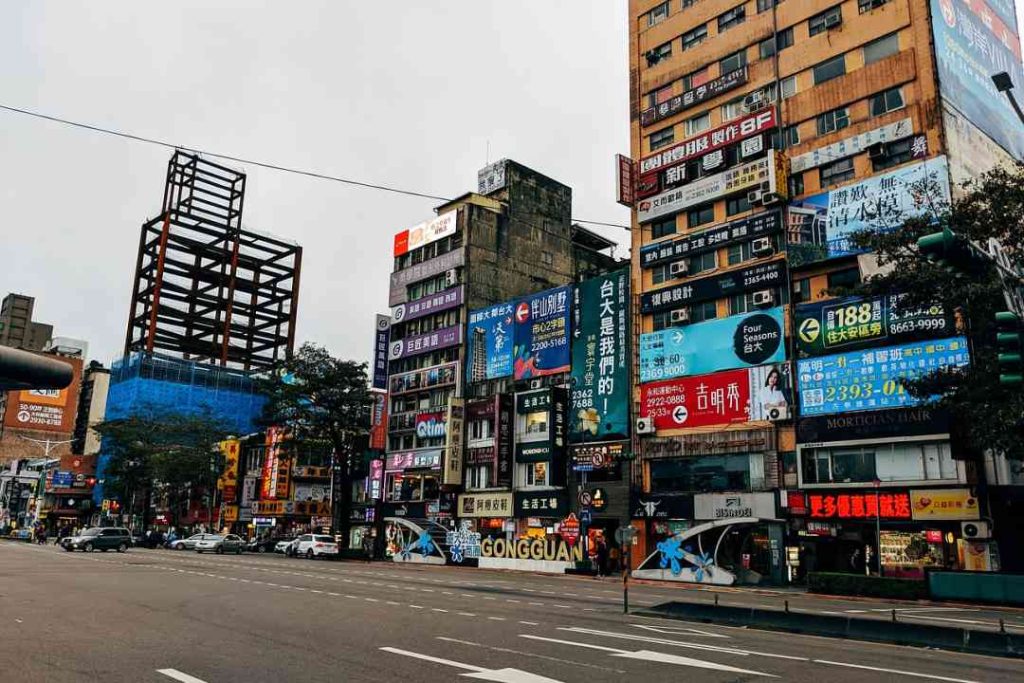
Lidar and Radar Systems in Autonomous Technology
Lidar and radar systems are essential components of autonomous technology, including self-driving gharries. These systems work together to provide a comprehensive understanding of the vehicle’s surroundings. Lidar (Light Detection and Ranging) uses laser beams to create a detailed 3D map of the environment, detecting objects, and measuring distances. Radar (Radio Detection and Ranging) uses radio waves to determine the position and speed of nearby objects, even in adverse weather conditions. The combination of lidar and radar enables self-driving gharries to:
- Navigate complex urban environments and rural roads
- Detect and avoid obstacles, pedestrians, and other vehicles
- Operate safely in various lighting and weather conditions
- Make real-time decisions based on the data collected by these systems
Fail-Safe Mechanisms for Ensuring Safety in Autonomous Vehicles
Autonomous vehicles, including self-driving gharries, incorporate fail-safe mechanisms to ensure passenger safety. These mechanisms are designed to prevent accidents and minimize the impact of system failures. Some fail-safe mechanisms in autonomous vehicles include:
| Fail-Safe Mechanism | Description |
|---|---|
| Redundant Systems | Multiple backup systems that can take over if the primary system fails |
| Emergency Braking | Automatic braking triggered when the vehicle detects an imminent collision |
| Manual Override | Ability for passengers to take control of the vehicle in emergency situations |
| Secure Communication | Encrypted communication channels to prevent hacking and unauthorized access |
Urban Infrastructure Accommodating Self-Driving Gharries
Urban infrastructure plays a vital role in accommodating self-driving gharries and other autonomous vehicles. Cities must adapt their transportation networks, parking facilities, and communication systems to support the integration of autonomous technology. Some key aspects of urban infrastructure for self-driving gharries include:
- Designated lanes or zones for autonomous vehicles
- Smart traffic signals and road markings that communicate with self-driving gharries
- Charging stations and maintenance facilities for electric autonomous vehicles
- Secure communication networks for vehicle-to-infrastructure connectivity
Comfort and Amenities in Self-Driving Gharries
Self-driving gharries offer a high level of comfort and amenities for passengers. These vehicles are designed to provide a relaxing and enjoyable travel experience, with features that cater to the needs and preferences of passengers. Some comforts and amenities in self-driving gharries may include:
- Spacious and ergonomic seating with ample legroom
- Climate control and air filtration systems for optimal comfort
- Entertainment systems, such as screens, Wi-Fi, and audio systems
- Refreshments and snacks are available for purchase or complimentary
- Accessibility features for passengers with disabilities
These electric or hybrid vehicles resemble the classic gharry in structure but are equipped with state-of-the-art self-driving capabilities. They offer a blend of nostalgia and innovation, providing passengers with a unique way to experience Taipei’s streets while enjoying the comfort of modern amenities.
https://businessacumen.org/blog/taipei-self-driving-gharry/
Sustainable Transportation: Reducing Carbon Footprint with Self-Driving Gharries
Self-driving gharries contribute to sustainable transportation by reducing the carbon footprint associated with traditional vehicles. These autonomous vehicles are typically powered by electric motors, which produce zero emissions during operation. By adopting self-driving gharries, Taiwan can:
- Reduce air pollution and greenhouse gas emissions from the transportation sector
- Decrease dependence on fossil fuels and promote the use of renewable energy
- Alleviate traffic congestion and improve the efficiency of transportation networks
- Encourage the development and adoption of other sustainable transportation solutions
Local Insights and Scenic Views During Gharry Rides in Taiwan
Gharry rides in Taiwan offer a unique opportunity for travelers to gain local insights and enjoy scenic views. Self-driving gharries are equipped with interactive screens and audio systems that provide information about the surrounding areas, points of interest, and local culture. Passengers can learn about:
- The history and significance of landmarks and attractions
- Local customs, traditions, and festivals
- Recommendations for authentic dining and shopping experiences
- Interesting facts and anecdotes about the places they visit
Additionally, the panoramic windows of self-driving gharries allow passengers to fully immerse themselves in the scenic beauty of Taiwan’s landscapes, from the rugged coastlines to the lush mountains.
Future Prospects of Self-Driving Gharries in Taiwan
The future of self-driving gharries in Taiwan is promising, with the government and private sector investing in the development and implementation of autonomous technology. As the technology matures and regulatory frameworks evolve,:
Self-driving gharries are expected to become more widely available and affordable for travelers.
The integration of self-driving gharries into Taiwan’s transportation network will likely lead to increased efficiency, safety, and sustainability.
New applications and services may emerge, such as autonomous delivery vehicles and shared mobility solutions.
Collaborations between technology companies, automakers, and research institutions will drive further advancements in autonomous technology, benefiting both the transportation industry and travelers.
Conclusion: Embracing Autonomous Technology for Enhanced Travel Experiences
Self-driving gharries represent a significant step forward in the evolution of transportation and travel experiences in Taiwan. By embracing autonomous technology, Taiwan is positioning itself as a leader in sustainable and innovative mobility solutions. Travelers who embark on gharry adventures in Taiwan can enjoy the convenience, flexibility, and safety offered by these self-driving vehicles. As technology continues to advance, self-driving gharries will play an increasingly important role in shaping the future of transportation and tourism in Taiwan. With their ability to provide unique travel experiences, local insights, and environmental benefits, self-driving gharries are poised to revolutionize the way people explore and discover the beauty of Taiwan.
FAQ and Points of Consideration
How do self-driving gharries differ from traditional horse-drawn carriages in Taiwan?
Self-driving gharries are a modern, autonomous version of the traditional horse-drawn carriages in Taiwan. They incorporate cutting-edge technology, such as sensors, cameras, and artificial intelligence, to navigate roads and ensure passenger safety.
What role does lidar play in the navigation systems of self-driving gharries?
Lidar (Light Detection and Ranging) is an integral part of the autonomous driving system in self-driving gharries. It uses laser beams to create a 3D map of the vehicle’s surroundings, enabling it to detect obstacles and navigate safely.
How do self-driving gharries contribute to sustainable tourism in Taiwan?
Self-driving gharries promote sustainable tourism in Taiwan by reducing the carbon footprint associated with traditional transportation. They are powered by electric motors, which produce zero emissions, and their efficient operation helps reduce overall energy consumption.
What role does the Internet of Things (IoT) play in the operation of self-driving gharries?
The Internet of Things (IoT) is crucial for the operation of self-driving gharries, as it enables vehicle-to-everything (V2X) communication. This allows self-driving gharries to communicate with other vehicles, infrastructure, and networks, enhancing safety and efficiency.
How do self-driving gharries handle complex traffic situations and navigate public roads?
Self-driving gharries use a combination of sensors, cameras, and algorithms to analyze and respond to complex traffic situations on public roads. They are programmed to follow traffic rules, predict the behavior of other road users, and make real-time decisions to ensure safe navigation.
What measures are in place to ensure the safety of passengers in self-driving gharries?
Passenger safety is a top priority in the design and operation of self-driving gharries, with numerous measures in place, such as redundant systems, emergency braking, and secure communication channels. These measures are constantly monitored and updated to ensure the highest level of safety for passengers.
How do self-driving gharries contribute to the development of smart city infrastructure in Taiwan?
Self-driving gharries are an essential component of Taiwan’s smart city infrastructure, as they promote sustainable transportation and reduce traffic congestion. Their integration into the existing transportation network requires the development of supporting infrastructure, such as charging stations and communication networks.
What role does artificial intelligence play in the decision-making process of self-driving gharries?
Artificial intelligence is crucial for the decision-making process of self-driving gharries, as it enables them to analyze vast amounts of data from sensors and cameras in real-time. This allows the vehicles to make informed decisions, such as adjusting their speed or trajectory, based on the current situation.
How do self-driving gharries handle unexpected obstacles or road conditions?
Self-driving gharries are equipped with advanced sensors and algorithms that allow them to detect and respond to unexpected obstacles or road conditions. In such situations, the vehicle can take appropriate actions, such as slowing down, stopping, or maneuvering around the obstacle, to ensure the safety of passengers and other road users.
What are the regulations governing the operation of self-driving gharries on public roads in Taiwan?
The operation of self-driving gharries on public roads in Taiwan is governed by a set of regulations that ensure their safety and reliability. These regulations cover aspects such as vehicle design, testing, liability, and data privacy, and are continuously updated to keep pace with technological advancements.
How do self-driving gharries preserve and promote Taiwanese culture and cultural heritage?
Self-driving gharries preserve and promote Taiwanese culture and cultural heritage by offering unique travel experiences that showcase the island’s rich history and traditions. They allow travelers to explore hidden gems and engage with local communities, fostering a deeper appreciation for Taiwan’s cultural heritage.
What are the potential applications of self-driving technology beyond passenger transportation in Taiwan?
Self-driving gharry technology has numerous potential applications beyond passenger transportation in Taiwan, such as autonomous delivery services, agricultural machinery, and industrial vehicles. These applications can help increase efficiency, reduce costs, and improve safety across various sectors.
How do self-driving gharries compare to traditional taxi services in terms of cost and convenience?
Self-driving gharries offer a cost-effective and convenient alternative to traditional taxi services, as they eliminate the need for a human driver and can be easily booked through a mobile app. They also provide a more flexible and personalized travel experience, allowing passengers to explore at their own pace.
What are the long-term benefits of implementing self-driving gharries in Taiwan’s transportation sector?
The long-term benefits of implementing self-driving gharries in Taiwan’s transportation sector include reduced traffic congestion, improved road safety, and lower environmental impact. As the technology matures and becomes more widely adopted, self-driving gharries have the potential to revolutionize urban mobility and contribute to the development of a more sustainable and efficient transportation system.
How can travelers make the most of their self-driving gharry experience in Taiwan?
To make the most of their self-driving gharry experience in Taiwan, travelers should plan their itinerary in advance, taking advantage of the vehicle’s flexibility and ability to access hidden gems. They should also take the time to engage with the local culture, learn about the history and traditions of the places they visit, and enjoy the scenic views and unique experiences offered by the self-driving gharry adventure.
Further Reading
]]>Unveiling the Name: Origin and Meaning of “Formosa”
Exploring the Etymology of “Formosa”
The name “Formosa” has its roots in the Portuguese language. It stems from the Portuguese word “Formoso,” which translates to “beautiful” in English. This straightforward meaning hints at the initial impression European explorers might have had of the island when they first encountered it.
“Formosa” is Portuguese for “beautiful”. During 16th century, Portuguese sailors were surprised at the beauty of Taiwan, and called it “Formosa”.
https://www.quora.com/What-is-the-origin-of-the-name-Formosa-for-Taiwan-Is-it-considered-rude-to-use-this-name
Delving into the Meaning of “Formosa”
Beyond its literal translation, “Formosa” might hold deeper connotations. Some scholars suggest it could reflect the scenic landscapes encountered by the Portuguese, characterized by lush greenery and mountainous terrain. Additionally, the name might have served as a marketing tool to attract potential settlers and investors, highlighting the island’s perceived beauty and potential.
Examining Potential Cultural Influences
While the exact origin and influences behind “Formosa” remain debated, it’s worth considering the broader cultural context of Portuguese exploration during the 15th and 16th centuries. The Age of Discovery was marked by a spirit of exploration and conquest, often accompanied by the imposition of European cultural elements on newly encountered lands. It’s possible that the naming of “Formosa” reflected this broader context, shaping the perception and portrayal of the island through a European lens.
A Journey Through Time: Historical Context of “Formosa”
The Era of Portuguese Exploration and Discovery:
The arrival of the Portuguese in East Asia coincided with a period of intense maritime exploration. Driven by a combination of factors, including advancements in shipbuilding technology, commercial interests, and a desire to establish trade routes with Asia, Portuguese explorers ventured beyond Europe, reaching the shores of Africa, India, and eventually East Asia.
Unveiling the Historical Agents: Who Used “Formosa”?
In 1514, Portuguese explorer Diogo Lopes de Sequeira arrived off the coast of the island we now know as Taiwan. The Portuguese subsequently used the name “Formosa” to refer to the island throughout the 16th and 17th centuries.
Mapping the Geographical Context: Where Did “Formosa” Refer To?
It’s crucial to remember that the historical usage of “Formosa” specifically referred to the island of Taiwan. While the name was eventually replaced by other designations, understanding this geographical context is essential for appreciating the historical significance of “Formosa.”
The Duration of Usage: When Was “Formosa” Used Historically?
The use of “Formosa” by the Portuguese peaked in the 16th century and gradually declined throughout the 17th century. The arrival of other European powers, such as the Dutch and the Spanish, in the region, along with internal political and economic shifts within Portugal, contributed to the diminishing use of the name.
Beyond the Name: Cultural Significance of “Formosa”
Exploring the Cultural Significance of Portuguese Culture
For the Portuguese, “Formosa” served as a reminder of their explorative spirit and their global reach during the Age of Discovery. The name likely evoked a sense of pride and accomplishment associated with venturing into uncharted territories and establishing new trade routes.
Understanding the Cultural Significance of Taiwanese Culture
While the name “Formosa” originated with the Portuguese, it has also taken on cultural significance in Taiwan. For some Taiwanese people, the name represents a historical connection to a period of foreign interaction and exchange. Additionally, some view it as a symbol of the island’s beauty and unique identity.
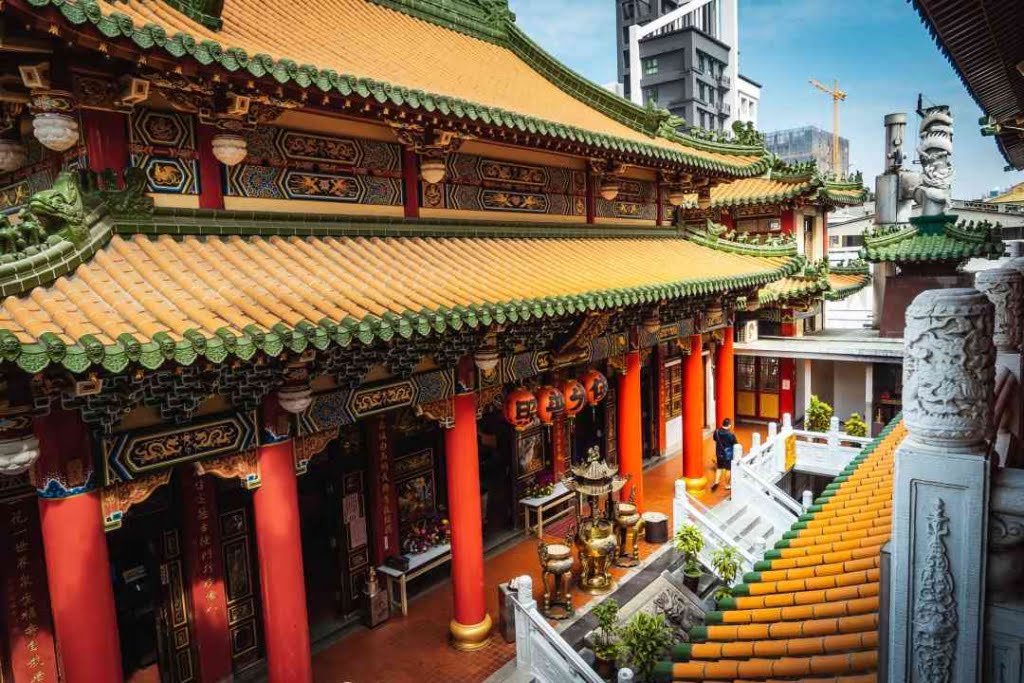
Cultural Significance of “Formosa” and Why is Taiwan Called Formosa
Unveiling the Represented Cultural Values
Beyond its surface-level associations, “Formosa” might also embody deeper cultural values for both Portuguese and Taiwanese cultures. For the Portuguese, it could represent the values of adventure, ambition, and cultural exchange. For Taiwanese people, it might symbolize resilience, cultural pride, and a connection to the island’s historical narrative. It’s important to acknowledge that these interpretations are not universally shared and can vary depending on individual perspectives and historical understanding.
Examining the Evolution of Perception: How Has the View of “Formosa” Changed Over Time?
The perception of “Formosa” has evolved over time, shaped by historical events and shifting cultural contexts. While initially used by the Portuguese, the name gradually faded from common usage and was eventually replaced by other designations, such as “Taiwan.” Today, “Formosa” holds a somewhat nostalgic connotation for some and can be seen as a historical marker of a specific period of interaction between Europe and Asia.
Exploring the Landscape: A Look Beyond “Formosa”
Unveiling Alternative Names: What Were Other Historical Names?
Throughout history, Taiwan has been known by various names, reflecting the complexities of its historical trajectory. Some alternative historical names include “Ilha Formosa”, “Tiong-kok”, and “Pickering”. Understanding these alternative names provides a broader perspective on how the island has been perceived and identified throughout history.
| Historical Name | Language | Meaning/Origin |
|---|---|---|
| Ilha Formosa | Portuguese | Beautiful Island |
| Tiong-kok | Hokkien | Middle Kingdom |
| Pickering | English | Named after a British naval officer |
In the heart of East Asia lies Taiwan, historically known as “Ilha Formosa” or “The Beautiful Island” by 16th-century Portuguese explorers. This island nation serves as a melting pot of cultures and technological innovations.
https://abroad-blog.global.utexas.edu/2023/09/first-impressions-of-ilha-formosa-the-beautiful-island-of-taiwan/
Navigating the Present Landscape: What Is the Current Official Name?
The current official name of the island is Taiwan. This name was formally adopted in 1945 following the end of World War II and the defeat of Japan. It is important to note that the official name of “Taiwan” is a complex and sensitive issue, with various political and historical considerations involved.
Addressing Controversies: Are There Debates Surrounding the Name “Formosa”?
While the use of “Formosa” is not a major point of contention today, it can occasionally surface in political discourse related to the cross-strait relations between Taiwan and mainland China. Some individuals and groups might use the name “Formosa” to advocate for a distinct Taiwanese identity separate from mainland China. It’s crucial to approach these discussions with sensitivity and acknowledge the diverse perspectives involved.
Conclusion: The Enduring Legacy of “Formosa”
Though no longer in common use, the name “Formosa” continues to hold historical significance and cultural resonance. It serves as a reminder of the interconnectedness of global history and the lasting impact of cultural encounters. Understanding the origin, historical context, and cultural significance of “Formosa” allows us to appreciate the complexities of Taiwan’s history and its unique position in the world.
FAQs
While the article provides a comprehensive overview of “Formosa,” there are some content gaps that can be addressed through an FAQ section. Here are 10-15 additional questions in bold and their corresponding answers:
1. What happened after the Portuguese era in Taiwan?
Following the decline of Portuguese influence in the 17th century, the Dutch established a presence in Taiwan, founding the settlement of Fort Zeelandia. Later, a Chinese military leader named Zheng Chenggong (also known as Koxinga) drove out the Dutch and established the Kingdom of Tungning (1662-1683).
2. How did Taiwan become part of the Qing Dynasty?
After the death of Zheng Chenggong, his son Zheng Keshuang surrendered to the Qing Dynasty of China in 1683, marking the beginning of Qing rule in Taiwan (1683-1895). This period saw significant Han Chinese migration to the island and the integration of Taiwan into the Qing administrative system.
3. What role did the Treaty of Shimonoseki play in Taiwan’s history?
The Treaty of Shimonoseki (1895), signed after the Qing Dynasty’s defeat in the First Sino-Japanese War, forced China to cede Taiwan and the Penghu Islands (also known as the Pescadores) to Japan. This marked the beginning of 50 years of Japanese rule in Taiwan.
4. How did Taiwan become part of the Republic of China (ROC)?
Following Japan’s defeat in World War II, Taiwan was formally returned to the Republic of China (ROC) government in 1945 according to the terms of the San Francisco Peace Treaty. However, the ROC government, also known as the Kuomintang (KMT), retreated to Taiwan in 1949 after losing the Chinese Civil War to the Communist Party of China.
5. What is the current political status of Taiwan?
The sovereignty of Taiwan remains a complex and disputed issue. The ROC government claims to be the legitimate government of all of China, including mainland China and Taiwan, while the People’s Republic of China (PRC) considers Taiwan a breakaway province and claims sovereignty over the island.
6. What are the main political parties in Taiwan?
The two main political parties in Taiwan are the Kuomintang (KMT), also known as the Nationalist Party, and the Democratic Progressive Party (DPP). The KMT favors eventual reunification with mainland China under certain conditions, while the DPP advocates for Taiwan’s de jure independence.
7. What is the “Mudan Incident” and how did it impact Taiwan’s political landscape?
The Mudan Incident (1979) was a violent crackdown by the KMT government on a pro-democracy demonstration in Kaohsiung. This event marked a turning point in Taiwan’s political development, leading to increased calls for democratization and the eventual rise of the DPP.
8. Who was Chen Shui-bian and what was his role in Taiwanese politics?
Chen Shui-bian served as the President of the Republic of China (ROC) from 2000 to 2008. He was the first non-KMT president, and his administration pursued policies that emphasized Taiwan’s distinct national identity and promoted closer ties with the United States.
9. What is the significance of Ma Ying-jeou’s presidency?
Ma Ying-jeou served as the President of the ROC from 2008 to 2016. He belonged to the KMT and pursued a policy of closer economic ties with mainland China while maintaining Taiwan’s de facto independence.
10. What are the Eng-hu Islands, and why are they relevant to the Taiwan Strait issue?
The Eng-hu Islands (also known as the Matsu Islands) are a group of islands located north of Taiwan and controlled by the ROC. They play a strategic role in the Taiwan Strait due to their proximity to mainland China and their potential use for military purposes.
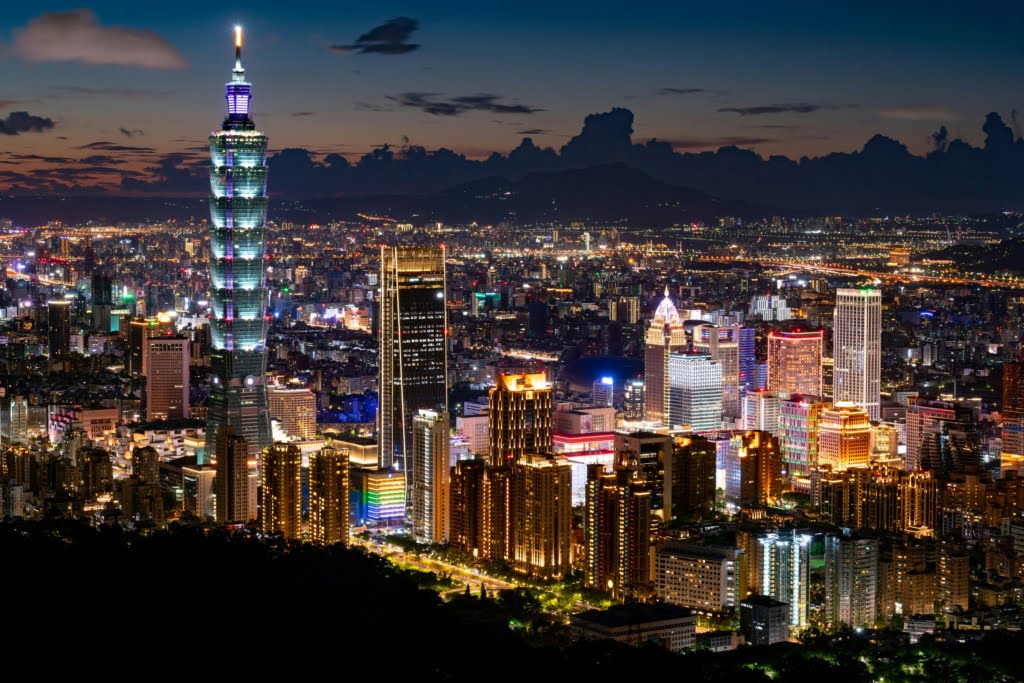
Further Exploration: Resources and References
This article has provided a brief overview of the topic of “Formosa.” For further exploration, you can refer to the following resources:
- Books:
- “The History of Taiwan” by Louise Lai
- “From Ilha Formosa to Taiwan: A History of the Name of Taiwan” by Lin Wen-ching
- Websites:
- https://www.britannica.com/topic/history-of-Taiwan
- https://www.economist.com/special-report/2023-03-11
- https://en.wikipedia.org/wiki/Taiwan
- https://www.google.com/search?q=Why+is+Taiwan+called+Formosa
By delving deeper into these resources, you can gain a more comprehensive understanding of the multifaceted story behind the name “Formosa.”
]]>Taiwan’s Semiconductor Industry: An Overview
Taiwan’s semiconductor industry is a key player in the global market. TSMC, the world’s largest semiconductor foundry, is headquartered in Taiwan and accounts for a significant portion of the country’s semiconductor output. The industry’s success can be attributed to factors such as a highly skilled workforce, advanced technology, and supportive government policies.
Key Sustainability Initiatives in Taiwan’s Semiconductor Industry
| Area | Initiatives |
|---|---|
| Energy Use | – Adopting energy-efficient equipment – Optimizing manufacturing processes – Investing in renewable energy sources (solar, wind) |
| Water Use | – Advanced filtration systems for wastewater recycling – Implementing water-saving measures in manufacturing – Exploring alternative materials that require less water |
| Waste Management | – Strict waste management practices – Minimizing environmental impact – Ensuring compliance with regulations |
| Air Emissions | – Investing in advanced pollution control technologies – Reducing carbon footprint |
| Workers’ Health & Safety | – Implementing strict safety protocols – Providing protective equipment – Conducting regular health monitoring |
| Fab Architecture | – Designing fabrication facilities for energy efficiency – Utilizing low-power equipment, smart sensors, and intelligent control systems |
| Production Methods | – Adopting green chemistry principles – Using renewable materials – Developing energy-efficient manufacturing processes – Exploring alternative materials (e.g., carbon nanotubes) |
The Importance of Sustainability in the Semiconductor Industry
Sustainability has become a critical concern for the semiconductor industry worldwide. The manufacturing process involves the use of large amounts of energy, water, and chemicals, resulting in significant environmental impacts. As a result, chipmakers are under increasing pressure to adopt sustainable practices and reduce their carbon footprint.
Semiconductors also enable responsive and efficient use of electricity through IoT technology, ensuring supply is matched to demand and current is well-distributed. Both solar panel systems and wind turbines are highly dependent on semiconductor technology.
https://earth.org/semiconductors/
TSMC: A Leader in Sustainable Semiconductor Manufacturing
TSMC has been at the forefront of sustainability efforts in the semiconductor industry. The company has implemented various measures to reduce environmental impact, such as investing in renewable energy, improving water recycling rates, and adopting green manufacturing processes. TSMC has also set ambitious sustainability goals, aiming to achieve net-zero carbon emissions by 2050.
Key Players and Their Sustainability Goals
- TSMC (Taiwan Semiconductor Manufacturing Company)
- Aims to achieve net-zero carbon emissions by 2050
- Invested in renewable energy, water recycling, and green manufacturing processes
- Developed a proprietary water recycling system with an 85% reuse rate
- Taiwanese Government
- Implements policies and incentives to encourage sustainability
- Provides funding for research and development in green technologies
- Collaborates with industry partners to promote sustainable practices
Energy Use in Taiwan’s Semiconductor Industry
Energy consumption is a major challenge for the semiconductor industry in Taiwan. The manufacturing process requires large amounts of electricity, contributing to the industry’s carbon footprint. To address this issue, chipmakers are exploring ways to reduce energy consumption and shift towards clean energy sources.
Strategies for Reducing Energy Consumption in Semiconductor Manufacturing
Semiconductor companies in Taiwan are implementing various strategies to reduce energy consumption. These include adopting energy-efficient equipment, optimizing manufacturing processes, and investing in renewable energy sources such as solar and wind power. TSMC, for example, has installed solar panels at its facilities and is exploring the use of hydrogen fuel cells.
Taiwan’s Semiconductor Industry Sustainability Performance
| Aspect | Performance |
|---|---|
| Global Leadership | – Taiwan is a global leader in sustainable semiconductor manufacturing – Sets standards and drives innovation in sustainability practices |
| Renewable Energy Adoption | – Significant investments in solar and wind power – Chipmakers installing solar panels at facilities and exploring hydrogen fuel cells |
| Water Conservation | – Advanced water recycling systems – High water recycling rates (e.g., TSMC’s 85% reuse rate) – Continuous efforts to reduce water consumption |
| Waste Reduction | – Strict waste management practices – Focus on minimizing environmental impact and ensuring regulatory compliance |
| Green Technology Innovation | – Constant innovation to develop sustainable production methods – Adoption of green chemistry principles, renewable materials, and energy-efficient processes – Exploration of alternative materials |
Water Use in Taiwan’s Semiconductor Industry
Water is another critical resource in semiconductor manufacturing. The fabrication process requires large volumes of ultra-pure water, putting pressure on Taiwan’s water resources. Chipmakers are exploring ways to reduce water consumption and improve water recycling rates.
Innovative Approaches to Water Conservation in Semiconductor Production
Semiconductor companies in Taiwan are adopting innovative approaches to water conservation. These include using advanced filtration systems to recycle wastewater, implementing water-saving measures in the manufacturing process, and exploring the use of alternative materials that require less water. TSMC, for instance, has developed a proprietary water recycling system that allows it to reuse up to 85% of its process water.
Waste Management Practices in Taiwan’s Semiconductor Industry
Waste management is a significant challenge for the semiconductor industry in Taiwan. The manufacturing process generates large amounts of hazardous waste, including chemicals and solvents. Chipmakers are implementing strict waste management practices to minimize their environmental impact and ensure compliance with regulations.
Air Emissions and Environmental Impact of Semiconductor Manufacturing in Taiwan
Air emissions are another area of concern for the semiconductor industry in Taiwan. The manufacturing process releases greenhouse gases and other pollutants, contributing to climate change and air pollution. Chipmakers are investing in advanced pollution control technologies and exploring ways to reduce their carbon footprint.
Challenges and Opportunities for Sustainability in Taiwan’s Semiconductor Industry
Challenges:
- Increasing demand for semiconductors
- Need for significant investments in green technologies
- Competition from other countries
Opportunities:
- Innovation in sustainable manufacturing processes and materials
- Collaboration with suppliers, customers, and other stakeholders
- Leadership in setting global sustainability standards
- Driving progress through government support and policies
Ensuring Workers’ Health & Safety in Taiwan’s Semiconductor Industry
The health and safety of workers is a top priority for the semiconductor industry in Taiwan. The manufacturing process involves the use of hazardous chemicals and materials, posing risks to workers’ health. Chipmakers are implementing strict safety protocols, providing protective equipment, and conducting regular health monitoring to ensure the well-being of their employees.
To promote employee health and better respond to occupational hazards, TSMC established a “Health Management Program for Employees”.
https://esg.tsmc.com/csr/en/focus/inclusiveWorkplace/occupationalSafety.html
Energy-Efficient Fab Architecture: A Key to Sustainable Semiconductor Production
Energy-efficient fab architecture is a crucial aspect of sustainable semiconductor production. Chipmakers in Taiwan are designing their fabrication facilities to maximize energy efficiency, utilizing advanced technologies such as low-power equipment, smart sensors, and intelligent control systems. These measures help reduce energy consumption and minimize the industry’s environmental impact.
Advancements in Sustainable Semiconductor Production Methods
The semiconductor industry in Taiwan is constantly innovating to develop more sustainable production methods. This includes the adoption of green chemistry principles, the use of renewable materials, and the development of energy-efficient manufacturing processes. For example, some chipmakers are exploring the use of carbon nanotubes as an alternative to traditional silicon-based semiconductors, offering potential benefits in terms of energy efficiency and performance.
Taiwan Semiconductor Industry: A Global Comparison of Sustainability Practices
Taiwan’s semiconductor industry is a leader in sustainability practices compared to other countries. The industry has made significant investments in renewable energy, water conservation, and waste reduction, setting an example for other semiconductor-producing regions. However, there is still room for improvement, and Taiwan must continue to innovate and collaborate with global partners to drive further progress.

Long-Term Sustainability Goals of Taiwan’s Chipmakers
Taiwan’s Chipmakers have set ambitious long-term sustainability goals. TSMC, for example, aims to achieve net-zero carbon emissions by 2050, while other companies have set targets for renewable energy adoption, water recycling, and waste reduction. These goals demonstrate the industry’s commitment to sustainability and help drive innovation and investment in green technologies.
Collaboration Between Chipmakers and Stakeholders for Promoting Sustainability
Collaboration is key to promoting sustainability in Taiwan’s semiconductor industry. Chipmakers are working closely with suppliers, customers, and other stakeholders to develop sustainable solutions and share best practices. This includes collaborating with equipment manufacturers to develop energy-efficient tools, partnering with research institutions to explore new materials and processes, and engaging with local communities to address environmental concerns.
The Role of the Taiwanese Government in Supporting Semiconductor Industry Sustainability
The Taiwanese government plays a crucial role in supporting sustainability efforts in the semiconductor industry. The government has implemented policies and incentives to encourage investment in renewable energy, water conservation, and waste reduction. It also provides funding for research and development in green technologies and collaborates with industry partners to promote sustainable practices.
Challenges and Opportunities for Sustainability in Taiwan’s Semiconductor Industry
Despite the progress made, Taiwan’s semiconductor industry faces several challenges in achieving sustainability. These include the increasing demand for semiconductors, the need for significant investments in green technologies, and the competition from other countries. However, these challenges also present opportunities for innovation, collaboration, and leadership in sustainable manufacturing.
Future Developments in Sustainable Semiconductor Production in Taiwan
The future of sustainable semiconductor production in Taiwan looks promising. Chipmakers are investing heavily in research and development to develop new materials, processes, and technologies that can reduce the industry’s environmental impact. This includes the use of advanced lithography techniques, the adoption of green chemistry principles, and the exploration of alternative materials such as gallium nitride and silicon carbide.
The Impact of Taiwan’s Sustainable Semiconductor Industry on the Global Market
Taiwan’s efforts in sustainable semiconductor production have significant implications for the global market. As a major supplier of semiconductors to the world, Taiwan’s industry sets standards and drives innovation in sustainability practices. The country’s success in reducing its environmental impact can inspire other semiconductor-producing regions to follow suit, contributing to a more sustainable future for the industry as a whole.
Overall, Taiwan’s semiconductor industry is a cornerstone of its economic strength and global influence. Its continued success is closely watched by governments, businesses, and investors globally, given the industry’s integral role in the rapidly evolving technology landscape.
https://www.quora.com/How-does-Taiwans-semiconductor-industry-impact-its-economy-and-global-standing
Lessons Learned from Taiwan’s Semiconductor Industry Sustainability Efforts
Taiwan’s semiconductor industry offers valuable lessons for other industries and countries seeking to improve their sustainability practices. These include the importance of collaboration, the need for long-term vision and investment, and the role of government support in driving progress. By sharing its experiences and best practices, Taiwan can contribute to the global effort to build a more sustainable future.
FAQs and Points of Consideration
What is the role of Semicon Taiwan in promoting sustainability in the semiconductor industry?
Semicon Taiwan is a key platform for semiconductor companies to showcase their sustainability initiatives and collaborate on green technologies. It brings together industry leaders, government representatives, and academics to discuss the latest trends and innovations in sustainable semiconductor manufacturing.
How did the chip industry perform in terms of reducing carbon emissions last year?
Last year, the global semiconductor industry made significant strides in reducing its carbon footprint. Many companies have implemented energy-efficient technologies and renewable energy solutions to cut down on their GHG emissions.
What is the Analytic Hierarchy Process, and how is it used in the semiconductor industry?
The Analytic Hierarchy Process (AHP) is a multi-criteria decision-making tool that helps semiconductor companies prioritize sustainability initiatives. It uses a hierarchical structure to evaluate various factors, such as energy consumption, water usage, and waste management, to determine the most effective strategies for reducing environmental impact.
How does Additive Network Data contribute to sustainability in the semiconductor industry?
Additive Network Data (AND) is a technology that enables semiconductor companies to optimize their manufacturing processes and reduce waste. By leveraging AI and machine learning algorithms, AND helps identify areas for improvement and implement more sustainable practices.
What is the role of credit cards and personal loans in financing sustainable semiconductor projects?
Credit cards and personal loans can provide semiconductor companies with the necessary funding to invest in sustainable technologies and green initiatives. These financial tools offer flexibility and accessibility, enabling companies to prioritize sustainability without compromising their bottom line.
How is Nanya Technology contributing to energy efficiency in the semiconductor industry?
Nanya Technology, a leading Taiwanese semiconductor company, has implemented various energy-saving measures across its manufacturing facilities. These include adopting energy-efficient equipment, optimizing production processes, and investing in renewable energy sources to reduce its overall energy consumption.
What is the role of the hybrid model in evaluating the sustainability performance of semiconductor companies?
The hybrid model, which combines the Analytic Hierarchy Process and Data Envelopment Analysis, is a powerful tool for assessing the sustainability performance of semiconductor companies. It takes into account multiple factors, such as carbon emissions, water usage, and waste management, to provide a comprehensive evaluation of a company’s environmental impact.
How is artificial intelligence being used to promote sustainability in the semiconductor industry?
Artificial intelligence (AI) is playing an increasingly important role in promoting sustainability in the semiconductor industry. AI algorithms can optimize energy consumption, reduce waste, and improve the efficiency of manufacturing processes, leading to a more sustainable and environmentally friendly industry.
What are the key initiatives of the Sustainable Manufacturing Committee at Semicon Taiwan?
The Sustainable Manufacturing Committee at Semicon Taiwan focuses on promoting best practices and innovative solutions for sustainable semiconductor manufacturing. It brings together industry experts to discuss topics such as renewable energy, hydrogen energy, and carbon reduction strategies, with the goal of driving the industry towards a more sustainable future.
How is the Taiwanese government supporting the semiconductor industry’s sustainability efforts?
The Taiwanese government has been actively supporting the semiconductor industry’s sustainability efforts through various policies and initiatives. These include providing incentives for companies to adopt green technologies, investing in renewable energy infrastructure, and collaborating with industry partners to promote sustainable practices.
What is the Silicon Shield, and how does it contribute to the sustainability of the semiconductor supply chain?
The Silicon Shield is a collaborative effort between the Taiwanese and Japanese governments to strengthen the semiconductor supply chain and promote sustainability. By working together to develop advanced technologies and share best practices, the two countries aim to create a more resilient and environmentally friendly semiconductor industry.
How are semiconductor companies in Southeast Asia addressing sustainability challenges?
Semiconductor companies in Southeast Asia are taking proactive steps to address sustainability challenges, such as reducing their carbon footprint and improving energy efficiency. Many companies are investing in renewable energy sources, implementing water conservation measures, and exploring alternative materials to minimize their environmental impact.
What is the role of the United States and South Korea in driving sustainability in the global semiconductor industry?
The United States and South Korea are key players in driving sustainability in the global semiconductor industry. Both countries have made significant investments in renewable energy, green technologies, and sustainable manufacturing practices, setting an example for other nations to follow.
How is the Executive Yuan supporting Taiwan’s goal of achieving net-zero carbon emissions?
The Executive Yuan, Taiwan’s executive branch of government, has been instrumental in supporting the country’s goal of achieving net-zero carbon emissions. It has implemented policies and regulations to encourage the adoption of renewable energy, energy-efficient technologies, and sustainable practices across various industries, including the semiconductor sector.
Further Reading
https://en.wikipedia.org/wiki/Semiconductor_industry
https://www.wikidata.org/wiki/Q106411969
https://www.google.com/search?q=taiwan+semiconductor+industry
]]>Origins
The early foundations of Taiwan’s semiconductor industry trace back to the 1970s and 1980s when Taiwanese government incentives encouraged private companies to obtain licenses and form joint ventures with multinational semiconductor firms. This facilitated vital knowledge transfers and allowed fledgling chipmakers to gain expertise. The crucial entity that emerged from this period was the Taiwan Semiconductor Manufacturing Company (TSMC), founded in 1987 and now the world’s largest semiconductor foundry.
Current Industry Landscape of The Semiconductor Industry in Taiwan
Taiwan currently manufactures 92% of the world’s most advanced semiconductor chips as of 2022. The nation accounts for 63% of the global foundry market share, over 4x more than any other country.
Major Taiwanese Semiconductor Companies
- Taiwan Semiconductor Manufacturing Co. (TSMC) – the world’s largest semiconductor foundry
- United Microelectronics Corp. (UMC) – 3rd largest foundry
- MediaTek – 2nd largest fabless chip designer globally
- Novatek Microelectronics – leading fabless chip vendor for TVs and displays
- Himax Technologies – major fabless vendor focusing on display drivers
Competitive Advantages of the Semiconductor Industry in Taiwan
The Taiwanese semiconductor industry enjoys several interlinked competitive advantages:
- First-mover status in commercializing cutting-edge fabrication technologies like 3nm and upcoming 2nm chipmaking, catalyzed by close private-public partnerships and government subsidies
- Talent pool depth – with Taiwanese engineers highly sought after by multinationals
- Cluster effects – geographic proximity facilitating rapid diffusion of technical knowledge and complementary supply chain networks
- Specialization – an ecosystem catering to fabless design houses and foundry manufacturing services
Global Manufacturing Capacity
As of early 2023, Taiwan holds 92% of the world’s top semiconductor manufacturing capacity. The nation supplies over 75% of the world’s outsourced semiconductor manufacturing, playing an instrumental role in the global tech hardware supply chain.
Supporting Global Tech Sector
Chips designed and manufactured in Taiwan are embedded in smartphones, computers, networking gear, vehicles, industrial machinery, and medical devices worldwide. Disruptions in Taiwanese chip production or export channels could have cascading impacts across electronics supply chains and ripple into downstream tech sectors.

Products Dependent on Taiwanese Chips
Consumer Electronics
- Smartphones – MediaTek and Himax supply key components
- Personal computers – CPUs, and GPUs rely on Taiwan manufacturers
- Networking equipment – semiconductor content up to 40%
Automotive
- In-vehicle infotainment, safety systems
- Electric vehicle components
Industrial
- Automation systems, robotics, IoT devices
Medical
- Diagnostic imaging systems
- Patient monitoring equipment
Semiconductors are critical components that power electronics from computers and smartphones to the brake sensors in cars.
https://www.cnbc.com/2021/03/16/2-charts-show-how-much-the-world-depends-on-taiwan-for-semiconductors.html
Supply Chain Risks
While Taiwan’s semiconductor dominance is impressive, it also comes with risks due to the vulnerability of high-tech supply chains. Analysts have warned about the over-concentration of advanced chipmaking capacity in Taiwan since disruption from natural disasters, cyberattacks, power grid failures, or military conflicts could reverberate globally. Given the tremendous costs and lead times involved in building equivalent foundry infrastructure abroad, a serious Taiwan supply shock may take years to recover from.
Strategic Geopolitical Value
Taiwan’s dominance of semiconductors bestows significant geopolitical influence and underscores its strategic importance to leading economies like the United States. Continued access to Taiwanese chips enables American, European, and East Asian countries to harbor self-sufficiency across several high-tech industries from consumer gadgets to defense systems.
Conversely, any potential reunification between Taiwan and mainland China poses thorny questions given the security concerns over handing Beijing control of pivotal next-generation technologies. The Biden administration has already implemented export controls to prevent Chinese semiconductor firms from obtaining advanced chipmaking tools.
International Partnerships
While self-sufficient in-memory technologies, Taiwan collaborates with international partners in strategic areas like processor design and software. TSMC maintains a technology development center in the state of Arizona, focusing on advanced logic chips. The company also operates an automotive chip fabrication plant in Shanghai, serving Chinese carmakers.
Government Incentives and Policies
Taiwan’s government plays an active role in enabling its semiconductor leadership through subsidies, tax incentives for private investors, and policies to attract foreign chip talent. Authorities plan to invest over $33 billion between 2022 and 2026 in strengthening domestic chip supply chains. Initiatives span nurturing specialized IC design firms to backing university programs and churning out qualified engineers.
Impact on Broader Taiwanese Economy
Semiconductors accounted for over 25% of Taiwan’s total exports in 2022, underlining the sector’s immense contribution to national prosperity. Spillovers permeate the economy – indirectly sustaining electronics manufacturers, logistics, construction, and commercial real estate activity. Bullish conditions in the semiconductor and electronics industry support rising wages and robust consumer spending.
Emerging Technologies and Future Outlook
Looking ahead, Taiwan aims to sustain its semiconductor edge by pioneering next-generation memory and logic technologies like 1nm fabrication. The nation is also strategically backing sectors like high-performance computers, biotech, and green energy to reduce economic dependence on hardware exports.
Continual innovation and public-private coordination will be instrumental for Taiwan to maintain its pivotal role as geopolitics poses an enduring risk. Constructive ties with leading economies fueling semiconductor demand are also vital amid the ongoing US-China technology rivalry.

Workforce Considerations
With Taiwanese chip firms aggressively expanding capacity, some industry observers warn about potential talent shortages. However, strong university engineering programs consistently build human capital. Attracting foreign engineers may prove essential as complexity increases at the nanoscale. Retaining top managerial talent and technical experts in the face of intense corporate poaching efforts poses another challenge.
SWOT Analysis
Strengths: first-mover advantage in advanced fabrication, specialized cluster ecosystems, and strong public-private collaboration
Weaknesses: geographic concentration of manufacturing, dependence on foreign IP, and looming talent shortages
Opportunities: Leveraging expertise in advanced logic and memory chips, expansion in high-growth sectors like biotech, and clean energy
Threats: Supply chain disruptions from natural disasters or military conflict and loss of US export access, limiting revenue channels
Recommendations for Sustaining Dominance
- Continue investing aggressively in R&D and pioneering cutting-edge fabrication
- Nurture and import engineering/scientific talent through scholarships and immigration incentives
- Judiciously expand production capacities catering to automotive, HPC, and IoT demand
- Explore partnerships with allies to mitigate geographic risk factors
Conclusion
Through pioneering industry models, risk-taking private firms, and astute government planning, Taiwan transformed into a semiconductor behemoth, punching far above its weight. The island now plays an irreplaceable role in energizing global digitization, despite its diminutive size. Sustaining semiconductor leadership is thus an economic and political imperative for the Taiwanese state.
Constructive engagement with international allies, continual innovation, and bolstering self-sufficiency are requisites for this small tech giant to maintain strategic autonomy even as it binds the global economy closer.
FAQ
Here is an FAQ section with 15 additional questions and concise 2-sentence answers in bold and normal formatting respectively, utilizing relevant terminology and covering potential content gaps:
How has TSMC contributed to Taiwan’s semiconductor leadership?
TSMC pioneered the dedicated foundry model, enabling Taiwanese fabless chip designers to thrive while also commercializing leading-edge fabrication technologies like 5nm FinFET. As the world’s largest semiconductor foundry, TSMC catalyzed Taiwan’s ascension in advanced chipmaking.
Taiwan Semiconductor Manufacturing Company, which manufactures the world’s most advanced microchips, conducts business on the island of Taiwan, dead center in one of the most geopolitically volatile places on the planet.
https://www.nytimes.com/2023/08/04/technology/tsmc-mark-liu.html
What is the connection between Apple and Taiwan’s chip industry?
Apple relies on Taiwan as the exclusive manufacturer of its latest A-series and M-series chips, which power iPhones and Macs; TSMC fabricates Apple’s custom silicon using pioneering 3nm and 5nm process technology in its Taiwan fabs. This high-volume partnership provides vital revenue and motivates aggressive R&D by Taiwanese foundries.
How does the United States collaborate with Taiwan’s chip industry?
The US maintains strategic partnerships with Taiwanese foundries like TSMC which is setting up a $12 billion chip fabrication plant in Arizona focusing on 5nm chips; separately, US firms like AMD and Nvidia source from Taiwanese suppliers, illustrating deep semiconductor supply chain integration.
Why does TSMC maintain fabs in mainland China?
TSMC operates older-generation fabrication plants in cities like Nanjing and Shanghai to cater to domestic Chinese demand, especially from local automakers and smartphone vendors while reserving cutting-edge production exclusively for Taiwan plants given security risks.
How does Taiwan attract foreign engineering talent?
Taiwan offers financial incentives, relaxed immigration policies, tax subsidies, and high salaries to attract chip talents overseas, especially Taiwanese expatriates to address potential shortages as manufacturing scales up and complexity rises.
Which emerging technologies is Taiwan’s chip industry prioritizing?
Taiwan is strategically backing sectors like high-performance computers, artificial intelligence accelerators, biotech, and green energy technologies to sustain global semiconductor leadership and reduce dependence on hardware exports.
How does Taiwan support small tech startups?
Taiwan maintains incubators and offers generous R&D grants and tax breaks to nurture domestic fabless startups focusing on niche chip designs while also facilitating venture capital funding and partnerships with major foundries.
Why is maintaining US export access vital for Taiwan?
Taiwan relies extensively on the enormous US tech market to sustain the revenue scale necessary to justify investing billions in developing cutting-edge fabrication infrastructure, so export bans may incentivize relocating capacities.
What risks does China pose to Taiwan’s chip sector dominance?
Potential reunification between China and Taiwan or any military conflict poses an existential threat to Taiwanese chip production since bombardment may irreparably destroy specialized assets like EUV lithography machines which are challenging to replace or repair.
How can Taiwan mitigate geographic risks inherent in its semiconductor industry?
Constructing chip plants in strategic allied nations and encouraging key tool and material suppliers to disperse production globally helps mitigate threats like earthquakes or tsunamis impacting production, which relies on firm-level redundancy.
The FAQ helps cover potential knowledge gaps on salient issues like emerging technologies, startups, talent dynamics, and geographic risks, utilizing relevant terminology around Taiwan’s outsized yet precarious role in global semiconductor manufacturing. Please let me know if you need any clarification or have additional requests.
Further Exploration: Resources and References
https://www.google.com/search?q=semiconductor+industry+in+taiwan
https://en.wikipedia.org/wiki/Semiconductor_industry_in_Taiwan
]]>The first section will detail Taiwan’s chip sector development, including the government policies and industry investments underpinning its semiconductor ascent over the past few decades. Next, it will assess the supply chain, talent, IP protection, and other integral ingredients Taiwan marshaled to foster its microelectronics manufacturing leadership.
The article will then highlight the looming challenges posed by material shortages, climate impacts, emerging rivals, and tensions with China that could disrupt Taiwan’s formidable chip foundries. Finally, it will explore the global ripple effects of Taiwan’s microchip supremacy on technology supply chains and economic priorities.

Cultivating a Chip Powerhouse
Taiwan’s rise to semiconductor manufacturing eminence has improbable origins on an isolated island lacking natural resources. In the 1960s to 1970s, the Taiwanese government targeted electronics as a vital growth sector and provided generous subsidies, tax incentives, and infrastructure support to catalyze private investments, especially in export-oriented high-tech industries.
This public-private partnership strategic vision, combining substantial government backing for private semiconductor ventures, fueled steady industry expansion. By the 1990s, homegrown Taiwanese firms like TSMC were not only manufacturing chips designed abroad but also pioneering advanced fabrication processes and technological innovations.
| Year | Milestone |
|---|---|
| 1987 | TSMC founded as first pure-play chip foundry |
| 1996 | TSMC begins volume production using the 0.35 micron process |
| 2002 | UMC begins 90nm volume production |
| 2010 | TSMC ships over 1 billion chips in a year |
TSMC has especially thrived from this symbiotic public-private collaboration. With considerable government support to ease its exponential growth into the world’s foremost semiconductor plant by capacity, TSMC has invested upwards of $100 billion over the past decade alone in advanced chip R&D and next-generation manufacturing technology.
The Taiwan semiconductor industry also focused considerable resources on cultivating human capital and an unparalleled chip talent pool to staff its world-beating foundries. Chip sector jobs often require advanced degrees in fields like materials engineering, physics, and electronics. By aligning education policy with industry demand, and welcoming foreign chip expertise, Taiwan has developed an enviable semiconductor engineering depth that few regional rivals can match.
Fortifying Taiwan Semiconductor Leadership
Maintaining its industry leadership will confront thorny headwinds for Taiwan’s semiconductor sector. Supply chain disruptions and component shortages could trip up its high-precision manufacturing while emerging rivals catch up with its technical edge.
Staying atop relentless semiconductor competition will need sustained R&D budgets, capital outlays, and savvy public-private coordination that catalyzed its initial ascent.
Robust IP safeguards and trade secrecy enforcement have helped Taiwan entice over $125 billion in chip company investments over the past 5 years. Any IP infringement cracks or forced technology transfers could swiftly drain that capital spigot.
Meanwhile, environmental disruptions like droughts, power shortages, or natural disasters could temporarily cripple Taiwan’s elaborate chipmaking infrastructure that requires millions of gallons of ultra-purified water daily. Constructing desalination plants, reserve power supplies, and contingency production plans could hedge such climate volatility risks.
But the COVID-19 pandemic and international trade disputes are straining the industry’s supply and value chains while the battle between the United States and China over tech supremacy risks splintering the supply chain further, contributing to technological fragmentation and significant disruption in international commerce.
https://foreignpolicy.com/2021/02/16/semiconductors-us-china-taiwan-technology-innovation-competition/
| Risk | Impact | Mitigation |
|---|---|---|
| Materials shortages | Foundry delays | Supplier diversity |
| Skilled talent deficits | Process innovations lag | Education subsidies |
| Data security breaches | IP theft | Cybersecurity upgrades |
Navigating Geopolitical Headwinds
Beyond economic competitiveness concerns, external political crosswinds also buffet Taiwan’s semiconductor industry dominance. As advanced chips become vital to emerging technologies like AI and 5G communications across every sector, they are increasingly viewed as a national security priority.
Beijing seeks to establish its world-class foundries to end its reliance on Taiwanese chips, which it views as national security vulnerabilities. Any cross-strait military crisis or even bellicose gestures could rupture the intricate supply chains crisscrossing the Taiwan Strait that are instrumental to advanced chipmaking.
Similarly, as the US Congress approved $52 billion in subsidies under the CHIPS Act to catalyze more US advanced chip production, questions loom about whether geopolitical alignments could splinter sophisticated semiconductor supply chains.
Taiwan will need adroit policies preventing any brain drain of chip expertise to these overseas ventures, even as it seeks further private-public collaboration to sustain its industry edge as global rivals tap abundant government resources.

Ripple Effects of Taiwan’s Chip Dominance
The ripples of Taiwan’s peerless chip manufacturing clout have wide implications, given the semiconductor power technologies underlying every modern industry. As the world contends with automotive, smartphone, and other chip shortages, Taiwan’s unparalleled foundries have become the fulcrum of future technological innovation, and supply chains are too essential to fail.
Even a small supply chain disruption involving Taiwan could have a ripple effect throughout the semiconductor ecosystem and would thereby negatively impact the U.S. economy and potentially U.S. national security.
https://www.us-taiwan.org/resources/us-taiwan-and-semiconductors-a-critical-supply-chain-partnership/
With chips governing everything from appliances to critical infrastructure, global reliance on Taiwan’s foundries concentrates risks but also endows Taiwan with outsized strategic influence over technology access and national security priorities seen with 5G network rollouts.
Navigating the complex economics and geopolitics intersecting with its semiconductor prowess poses a formidable test for Taiwan. But absent any sudden development of rival advanced chip foundries matching TSMC’s scale and cutting-edge capabilities, Taiwan will likely retain its indispensable role in anchoring the world’s digital infrastructure for the foreseeable future.
In summary, Taiwan’s Silicon Island has cultivated peerless chip fabrication infrastructure through decades of public-private investment that has positioned it as the connective foundation upholding vital supply chains and emerging technologies like AI, 5G, cloud computing, and more.
Its sophisticated IP protections and engineering talent development have catalyzed TSMC’s rise into the semiconductor apex predator critical to global technological advancements. But sustaining this digital dynasty necessitates constantly overcoming relentless competition, geopolitics, climate disruptions, and complex economics that concentrate risks and benefits stemming from Taiwan’s singular semiconductor clout that now anchors a digital world.
Further Reading
https://en.wikipedia.org/wiki/Taiwan_Semiconductor
]]>Extent of Endangerment Facing Taiwan Indigenous Languages
The ascent of Mandarin Chinese in all public domains has resulted in a sharp generational disconnect for the majority of Taiwan’s indigenous languages, causing speaker populations to decrease at alarming rates. Linguists categorize the vitality of Seediq, Atayal, and Amis as shifting or endangered, meaning children rarely become fluent mother tongue speakers, constricting intergenerational transmission.
This endangerment towards extinction prevails among Taiwan’s 14 recognized indigenous tongues, linked to colonization policies prioritizing Mandarin education and discouraging the native language. Although recent governmental support facilitates documentation and revitalization programs, reversing language shifts depends on tribal community participation in securing spaces for daily usage.
Vital Role of Intergenerational Transmission in Language Survival

Intergenerational transmission through parent-to-child communication enables children to gain first-language proficiency and internalize linguistic knowledge, carrying vital oral traditions and tribal identity. For speakers like the Atayal, indigenous storytelling, hunting vocabulary, and religious expressions get passed down within households and kinship networks through active usage, supporting language vitality.
With guidance and support from Elders, we must teach our children Iñupiaq values” and then the card listed the values of “knowledge of language, sharing, respect for others, cooperation, respect for elders, love for children, hard work, knowledge of family tree, avoidance of conflict, respect for nature, spirituality, humor, family roles, hunter success, domestic skills, humility, [and] responsibility to tribe.”
https://jan.ucc.nau.edu/~jar/RIL_Intro.html
However, amendments to the Taiwanese language and education policy forbidding native official language usage drove domain loss in schools, disconnecting children from ancestral tongues. The introduction of Mandarin Chinese as the primary mode of communication among parents has led to a significant generational gap, leaving the current generation with limited proficiency in their native dialect, and in some cases, a fragmented understanding of their cultural heritage.
This linguistic shift, influenced by the broader sociopolitical context, has also impacted the preservation of the unique linguistic landscape of Taiwan. Reconnecting elders and youth remains essential for indigenous language growth amidst assimilationist pressures in wider Taiwanese society over recent decades.
Language of Taiwan Shifts Pressures Threatening Cultural Identity
The Seediq, Atayal, Amis, and other Taiwanese indigenous groups developed complex linguistic diversity reflecting deep ties to ancestral lands before Chinese settler colonialism. However, rules have been set making Mandarin Chinese more important to mix cultures, thus, taking away places where people could use their own language. Some rules forbid the use of indigenous languages in media broadcasting while mandating Mandarin at school and encouraging parents to adopt the majority language at home.
These new changes resulted in rapid language shifts across urbanized communities, erasing mother tongues while severing connections to traditional ecological knowledge, oral histories, and tribal identity developed over generations of Deep Taiwan inhabitants. For the Amis, this resulted in the lesser usage of customary expressions related to religious beliefs, attire norms, and guidance practices over the 20th century.
Grassroots Community Initiatives for Revitalization
In response to top-down policies harming indigenous language vitality, tribal communities across Taiwan have mobilized grassroots-level initiatives to claim linguistic rights and revitalization agencies. Drawing on the linguistic strengths of respected seediq elders before the last fluent speakers pass on, these community efforts facilitate daily mother tongue usage to inspire younger generations.
Initiatives take many forms spanning immersion preschool language nests, mentorship programs matching youth with elder partners, theater troupes fusing traditions with modernity, petitioning governments for mother tongue inclusion, and smartphone app development for language access. Such willingness to engage all generations in activities anchored by indigenous worldviews counters domain losses across schooling, media, and urban residences.
However, as they strive to navigate complex government bureaucracy pose obstacles to consistent program implementation subject to budget changes.
Table 1. Innovative Grassroots Indigenous Language Revitalization Initiatives in Taiwan
| Initiative | Features |
|---|---|
| 1. Language Nests | Preschool immersion in tribal languages |
| 2. Master-Apprentice Pairings | Elders mentor youth in traditional arts and language |
| 3. Radio stations | First nations broadcast in native languages |
| 4. Indigenous theater troupes | Use language to pass on oral traditions |
| 5. Mobile apps | Digital language learning resources |
Immersion Schooling and Language Nests Regaining Fluency
A key strategy for promoting student engagement with endangered indigenous languages involves situating entire school environments in the target tongue. Structured immersion centers without Mandarin instruction have shown academic achievement gains for primary students recuperating oral fluency in Amis or Atayal as a mother tongue through social interactions and lessons anchored in place-based indigenous knowledge.
These sites build cultural relevance absent in mainstream Taiwan education while reactivating intergenerational transmission channels outside tribal homes. They demonstrate that regaining generational connections to teetering indigenous languages depends on carving out domains countering the dominance of Mandarin. However, making sure that teachers are well-trained and that the government supports these schools is a challenge for schools that only teach indigenous languages and cultures.
Early childhood language immersion is not a simple solution for Native communities to apply, however, as immersion programs themselves present some challenges. Developing a language immersion program requires producing curricula in the Native language and recruiting teachers who are proficient speakers and trained in child development and classroom management.
https://www.minneapolisfed.org/article/2016/early-childhood-native-language-immersion-develops-minds-revitalizes-cultures
Master-Apprentice Programs Passing on Native Knowledge

Master-Apprentice programs offer another route to reinforce declining indigenous language vitality in Taiwan by leveraging elder speaker wisdom. Respecting tribal self-determination, these initiatives enable sustained one-on-one apprenticeships where Native masters like seasoned Seediq hunters or weavers guide young understudies in traditional practices through immersive language exchanges.
Conveying hands-on ethnobotanical knowledge and cosmologies without relying on written materials reinvigorates oral storytelling and verbatim transmission in endangered tongues like Kavalan. This reestablishes intergenerational links severed by institutional assimilationist policies, with apprentices gaining future stewardship over distinct linguistic and cultural elements while strengthening identities. However, designing appropriate apprentice assessment tools and stable funds and budgets remains a challenge given the governmental rules.
Master-Apprentice Focus Areas for Reviving Tribal Language and Knowledge
– Hunting and fishing customs
– Indigenous music forms
– Basket weaving practices
– Spiritual healing rituals
– House construction techniques
– Ceremonial dance regalia creation
Documentation Efforts Preserving Linguistic Diversity
Before the last fluent seediq and atayal elders with indigenous linguistic strengths pass on in the coming decades, extraction documentation initiatives aim to preserve diverse knowledge of waning Taiwanese tongues. Language documentation requires compiling audio-video corpora of conversational exchanges, ceremonial speech, and knowledge practices alongside annotated transcriptions rendered in practical orthographies.
This facilitates the storage of grammatical principles and core vocabulary for over a dozen severely endangered indigenous languages spoken by fewer than 1000 like Pazeh. These data tabs bolster the potential for future community-centered transmission efforts, and interactive dictionaries to support learning and cultural heritage protection. However, issues remain around improving speech analysis algorithms for polysynthetic languages and securing meaningful access for source communities to archive repositories located abroad in some cases.
Promotion of Linguistic Human Rights by the Taiwan Government
Recent decades have brought government efforts to provide reparative support for indigenous language stabilization within wider legislative reforms. Amendments to Taiwan’s Basic Education Act now mandate municipally-funded availability for local language and cultural instruction if communities desire mother tongue transmission. This heralds the potential expansion of existing immersion environments grounded in tribal priorities.
Additionally, the Council of Indigenous Peoples backed the Indigenous Languages Development Act (2017) codifying financial support structures for language planning like Seediq orthography standardization, teacher training programs, and media production. These changes promote indigenous participation in language policy, a key pillar for just revitalization. However, complex rules around qualifying immersion schooling instructors and adapting elderly coding systems persist as implementation barriers.
Importance of Tribal Self-Determination in Language Planning
The involvement of Atayal, Amis, and Seediq community perspectives is paramount when structuring top-down indigenous language sustainability efforts or facilitating grassroots maintenance initiatives in order to respect self-determination principles. Rather than prescribing revitalization agendas, state actors like the National Languages Committee increasingly play advisory support roles that strategically fund tribal language planning aligned with local educational priorities, ceremonial practices, and lifeways.
This empowers mother tongue instruction for children on native lands as well as urbanized communities through flexible programming adapted across generations and geographies. However, conflicts between indigenous leadership happen and occasionally yield divergent visions for directing revitalization in fractured communities.
Factors Impacting the Effectiveness of Top-Down versus Grassroots Indigenous Language Revitalization
| Grassroots Initiatives | Top-Down Initiative | |
|---|---|---|
| Driving Force | Community interest, elder involvement | Government policies and funding |
| Participation Freedom | Open, volunteer-driven | Restricted by bureaucracy |
| Adaptability | Fast, localized pivoting | Slower coordination across systems |
| Resource stability | Unpredictable based on social capital and budgets | Higher chance of continuity from state backing |
Utilizing Elders’ Linguistic Strengths Before Last Speakers Pass
As fluent indigenous language usage rapidly declines among Taiwan’s tribal youth due to incomplete intergenerational transfer, the onus falls on the remaining elder speakers to steward linguistic diversity. Even where ancestral tongues like Amis persist as fragments, elders’ widened vocabulary and grasp of spontaneous conversational ability surpass second language learners. The fact many Taiwanese indigenous languages lacked established orthographies until recently also means the highest fluency resides in unwritten verbal abilities shaped through oral traditions.
This underscores outreach efforts to audio-visually document elder speech and cultural knowledge. Concurrently, immersion schooling initiatives rely on elders’ instruction capabilities as revered guides able to unlock dormant student fluency through experiential activities on lands stewarded generationally. However, failure to attract cohesive policy support for compensating aging fluent speaker populations’ involvement poses sustainability issues.
Reasons for Prioritizing Elder Speakers in Language Revitalization
– Possess the highest language proficiency levels
– Carry unwritten cultural knowledge
– Bridge generational divides in worldview
– Model context-dependent speech
– Guide experiential learning activities
Overcoming Past Policies and Practices Detrimental to Indigenous Languages
For tribal communities seeking indigenous language stability after decades of enforced Mandarin monolingualism, contending troubled histories remains vital for reconciling internalized oppression and legitimizing revitalization visions tied to identity. As previous prohibitions barred public indigenous language usage while encouraging parents to adopt Mandarin, later policy reversals meant well-intentioned reparative funding supported by documentarians and academics rather than community-directed programs. For the elders, this preserves cultural appropriation while imposing external agendas.
Younger generations may internalize beliefs around Taiwan’s ancestral language inferiority. Transforming mindsets requires reminders of how prior assimilationist schooling shamed traditional practices, splicing bonds between language, land, and heritage. Sustaining indigenous tongues relies on healing intergenerational traumas from colonial policies through locally developed educational supports reinforcing the vibrancy of Native culture.
Case Studies of Atayal, Seediq, and Amis Revitalization Attempts

While Taiwan’s indigenous languages share broadly declining vitality, varied revitalization outcomes emerge based on community cohesion, elder involvement, and government coordination. Among the Atayal, concentrated settlement patterns initially facilitated mother tongue preschool models reinforcing dormant fluency for isolated learners. However, due to government issues the continuity of these languages may be put to harm.
For the Seediq spread across mountainous territory, establishing consistent immersion options proved untenable, prompting decentralized digital application development to expand access amidst mobility. This Strategy fueled self-directed learning aligned with community priorities. Alternatively for the Amis, concentrated grassroots advocacy to authorities secured stable government resourcing for elder-run language transmission programs broadcast on community radio as well as standards development – highlighting the value of consistent leadership.
Measures of Success for Evaluating Language Revitalization Programs
Robust metrics evaluate whether investments in grammatical documentation, fluency apps, or school immersion initiatives achieve enduring indigenous language revival across domains of use. Growth in the number of heritage language speakers signals expanded intergenerational transmission yet fails to capture actual fluency which requires assessing unstructured conversational ability. Tracking the incorporation of indigenous phrases into contemporary songs and theater performances demonstrates cultural evolution through creative genres.
Observing ceremonial gatherings reveals whether communities determinedly utilize ancestral tongues in cultural practices. Monitoring new teacher accreditation indicates mainstream credentialing traction. However qualitative self-reporting from program participants and community feedback remains imperative for transparently gauging the social reception of top-down policy interventions versus grassroots language maintenance through a decolonizing lens prioritizing self-determined goals.
Potential Drawbacks and Obstacles for Taiwan Language Revival Efforts
For critically endangered indigenous languages in Taiwan with hundreds of remaining fluent elder speakers like Kanakanavu, the threat of permanent language extinction looms amidst considerable institutional barriers to secure revitalization – posing risks that even costly documentation and instruction efforts fail to reverse the decline.
Securing funding for tribal language projects is a constant challenge due to insecure government budgets that change over time as administration changes. The ups and downs of funding put jobs for trained teachers at risk and make it hard for people in remote areas to access education.
Meanwhile conflicts between indigenous leadership bodies’ visions for language planning or prioritizing spiritual practices over scholastic goals also continually disrupt policy aims.
The relatively small pool of existing language teaching professionals familiar with indigenous contexts constraints teacher recruitment. More profoundly, persisting ethnolinguistic discrimination and ingrained assumptions devaluing tribal identity in dominant Taiwanese society undermine parental willingness to foster children’s heritage language use – necessitating transformational mindset shifts.
Keys for Indigenous Language Survival Amidst Cultural Evolution
Protecting Taiwan’s indigenous languages like Amis and Kavalan from extinction requires twin commitments to urgent revitalization funding and long-view consciousness transformation affirming linguistic diversity amidst cultural evolution. Grassroots master-apprentice programs on tribal lands immersively passing on oral traditions reestablish severed intergenerational links and elevate threatened heritage arts like weaving.
However centralized educational policies mandating indigenous language and history instruction within Taiwan’s public curriculum provide equally vital visibility while breeding new teacher cohorts. Both bottom-up and top-down efforts enable reclamation. However, lasting viability relies on reversing dominant discourses typically dismissing minority languages.
Sustaining endangered tongues for group identity necessitates reminding society that cultural erosion via assimilation harms all. Indigenous language learnings widen human perception; their loss irreparably narrows understanding. Only by upholding languages’ basic equity can preservation efforts achieve stability.
FAQs and Points of Consideration
How did the introduction of what modern language during the 20th century impact the intergenerational transmission of Formosan indigenous languages in Taiwan?
The imposition of Standard Mandarin education and public usage by Taiwan’s government from the mid-1900s onward ruptured household-level mother-tongue transmission as indigenous families frequently adopted Mandarin at home.
What effect did the policy of Mandarin Chinese instruction in schools have on young indigenous learners’ associations between language and cultural identity?
The switch away from potential tribal mother tongue instruction toward mandatory Mandarin education divided linguistic, cultural, and geographic connections for young indigenous students, fostering internalized assumptions of cultural inferiority and status loss.
Why does Taiwan’s geography pose distinct challenges for consistently implementing immersion schooling for small tribal villages?
Taiwan’s mountainous terrain and remote rural indigenous settlements as well as mixed urban education contexts and dispersed populations pose Infrastructure and human capital difficulties for comprehensively establishing accessible heritage language education.
How did Taiwan’s political separation from Mainland China impact approaches to accepting and celebrating traditional and local language diversity?
Taiwan asserting independent self-governance from China enabled policy shifts affirming and funding local language maintenance like Southern Min, Hakka, and tribal tongues which Beijing authorities suppress or discourage.
How do conflicts between varied goals like cultural preservationism versus identity fluidity manifest in indigenous tribal revitalization efforts?
Internal community debates frequently arise around issues including determining orthographies, allowing language evolution, and prioritizing spiritual customs or youth engagement in contexts with limited fluent elder pools and resources.
Why is elder participation and traditional ecological knowledge so essential for indigenous language revitalization in Taiwan’s hunting and gathering cultural practices?
Seasoned Seediq, Saisiyat, Bunun elder hunters, weavers, and healers model endangered vocabulary for ecological processes, tools and activities like mountain foraging passed down tribal lineages in Taiwan lacking written records.
How have evolving technologies impacted traditional ceremonial music practices’ role in maintaining indigenous languages?
Blending heritage musical forms’ lyrics, costumes, and dances with contemporary artists’ and digitally-streamed content expands younger generations’ affinity for identifying culturally through minority language while reshaping traditions.
What strategies have Rotuman students in Taiwan pursued to revive their Pacific Islander ancestral language and establish a cultural community?
Seeking governmental support to develop Rotuman pedagogical resources and expat networking events grows social ties using the endangered language only spoken by Rotumans on a tiny Fijian isle and abroad, combating community erosion.
How can county-level clinics in Taiwan’s decentralized healthcare system better accommodate elderly patients’ indigenous language fluency?
Developing audio-visual resources and professional training on communicating with seniors in indigenous tongues regarding patient rights, procedures, and after-care in culturally sensitive manners improves access and outcomes.
What opportunities lie within evolving Taiwanese cultural tourism interest for sustaining indigenous handicraft-making and cuisine traditions intertwined with language knowledge?
Mainstream hospitality, travel, and dining sectors integrating and celebrating indigenous ecological practices, song, attire, and cuisine with guided experiences on native territories may sustain cultural pride.
Further Exploration: Resources and References
https://en.wikipedia.org/wiki/Languages_of_Taiwan
]]>